
Top Choices for Handicap Railing Installation Equipment and Supplies
Find the essential tools and products that facilitate safe, efficient, and compliant handicap railing installations.
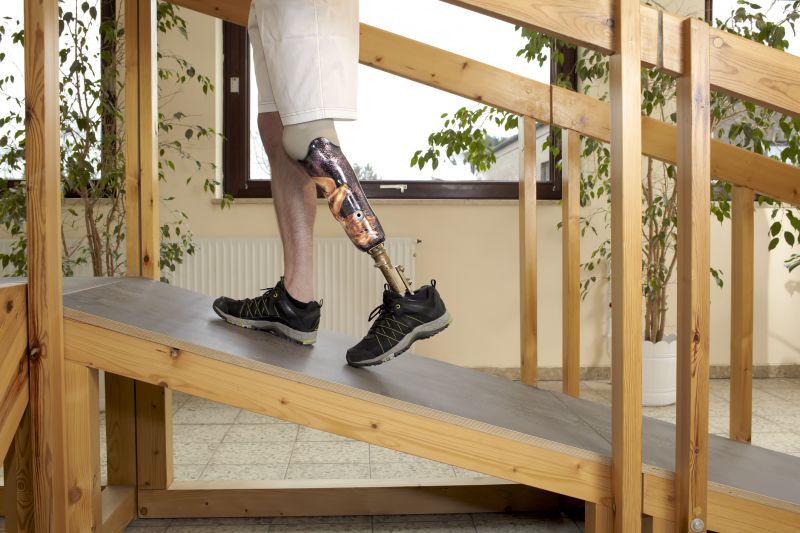 Installing handicap railings requires careful selection of products that prioritize safety, durability, and ease of installation. These products are designed to provide reliable support for individuals with mobility challenges, ensuring accessibility in homes, public spaces, and commercial facilities. When choosing railing components, it is important to consider the material, mounting options, and compatibility with existing structures to ensure a secure fit. Proper installation not only enhances safety but also contributes to the overall aesthetic of the environment.
Top Overall Option
Heavy-Duty Wall-Mounted Handrail System
This versatile handrail system offers robust support with a simple installation process, suitable for both indoor and outdoor applications. Constructed from corrosion-resistant materials, it provides a secure grip and long-lasting performance. Its modular design allows for customization to fit various spaces and user needs.
Types of Products For Handicap Railing Installations
Wall-Mounted Handrails
Designed to be attached directly to walls, these handrails provide support along hallways, stairs, and ramps, with options for various lengths and finishes.
Post and Base Mounts
Posts anchored into the ground or stairs serve as foundational supports for handrails, offering stability and flexibility in installation.
Adjustable Mounting Brackets
These brackets allow for customizable angles and heights, accommodating different user needs and architectural designs.
Stainless Steel Handrails
Known for their durability and corrosion resistance, stainless steel handrails are ideal for outdoor or humid environments.
Aluminum Railing Systems
Lightweight yet sturdy, aluminum railings provide a corrosion-resistant option suitable for various settings.
Plastic Coated Rails
These rails feature a plastic coating for added grip and weather resistance, often used in outdoor installations.
Floor-Mounted Handrails
Installed directly into the floor or stairs, these provide support without wall attachment, ideal for open spaces.
Corner and Bend Handrails
Designed to navigate around corners and curves, these rails enhance accessibility on complex layouts.
Foldable or Retractable Handrails
Offering flexibility, these handrails can be folded away when not in use, suitable for multi-purpose spaces.
Custom Fabricated Railing Components
Made to specific measurements and designs, these components cater to unique architectural requirements.
Popular Choices
A common choice for stairs and hallways, these provide reliable support and are available in various finishes.
Favored for outdoor use and high-traffic areas due to their durability and minimal maintenance.
Lightweight and corrosion-resistant, these rails are frequently used in commercial and residential settings.
Popular for their flexibility, these brackets allow for precise positioning and customization.
Ideal for open areas where wall attachment isn't feasible, providing seamless support.
Offering enhanced grip and weather resistance, these are common in outdoor installations.
Designed for complex layouts, these rails facilitate smooth navigation around corners.
Popular in multi-use spaces, these can be folded away to maximize flexibility.
Tailored to specific project needs, these components ensure a perfect fit for unique spaces.
Handicap railing products come in various forms, including wall-mounted brackets, posts, handrails, and mounting hardware. Each component plays a vital role in creating a cohesive support system. For example, wall-mounted brackets are ideal for securing handrails to different wall types, while posts can be anchored into the ground or stairs for added stability. Selecting the right combination of these products depends on the specific layout, load requirements, and user needs.
Durability is a key factor when choosing railing products, especially in outdoor or high-traffic areas. Materials such as stainless steel, aluminum, and heavy-duty plastics are commonly used for their strength and weather resistance. Additionally, ease of maintenance and corrosion resistance are important considerations to ensure longevity and consistent performance over time. Properly installed handicap railings can significantly improve safety and independence for users, making thoughtful product selection essential.
Key Buying Considerations
- Material durability and resistance to weather or corrosion
- Compatibility with existing structures and architectural style
- Ease of installation and whether professional help is needed
- Load capacity and safety standards compliance
- Grip texture and ergonomics for user comfort
- Finish options to match decor or environment
- Adjustability and flexibility for different user needs
- Maintenance requirements and ease of cleaning
- Cost-effectiveness over the product's lifespan
- Availability of customization options for specific layouts
- Code compliance and safety regulations applicable in your area
- Type of mounting hardware and ease of securing to surfaces
- Weight of the product for handling and installation
- Potential for future modifications or extensions
- Warranty or support services offered by suppliers